

Down So Low, It Looks Like Up. The Weight of Depression.
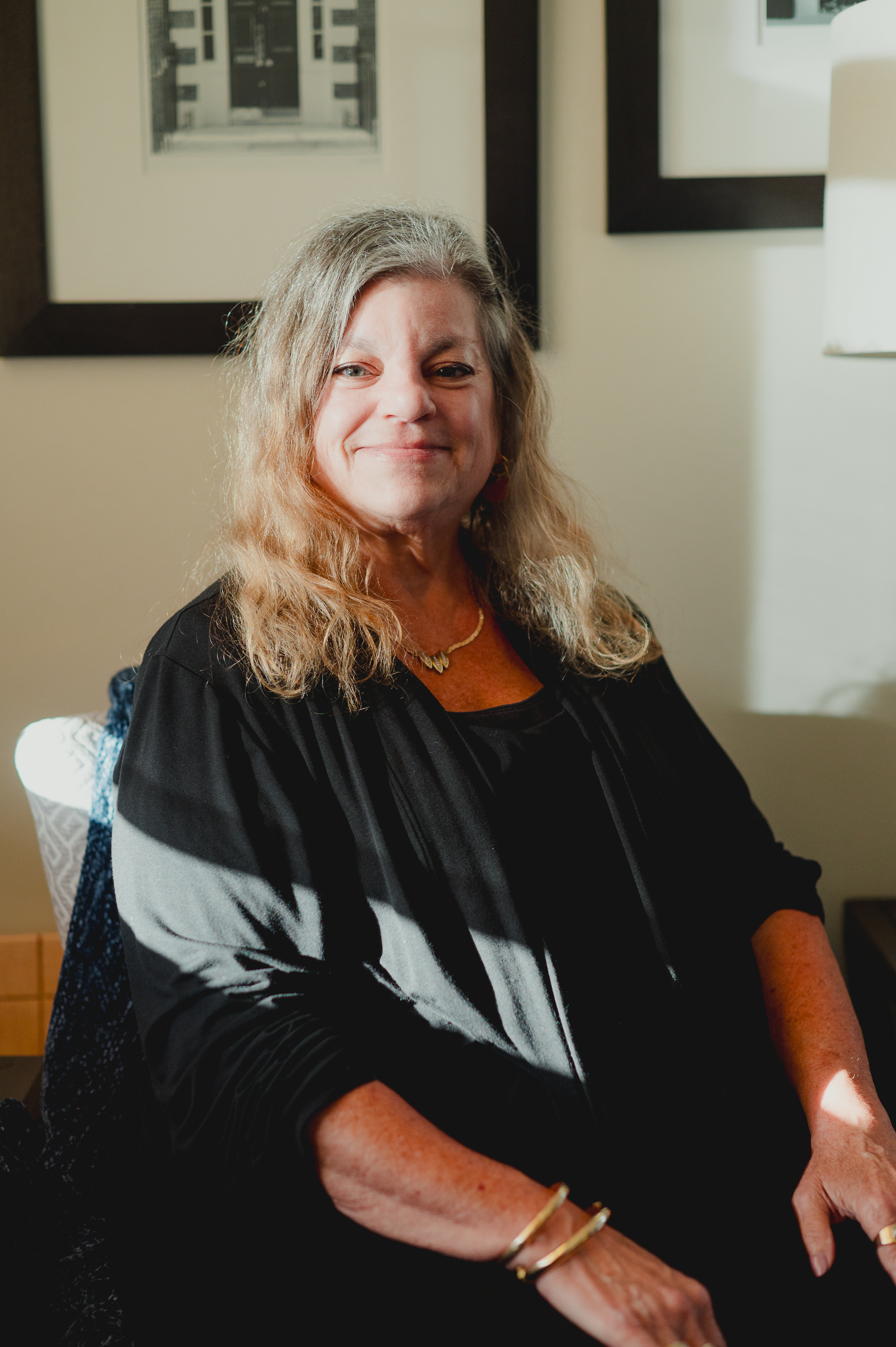

"I went to bed one day for about a year."
When I was in my early thirties, I went to bed one day for about a year. It might sound funny now, but it wasn’t at the time, it wasn’t funny at all. When I look back on that time, I often wonder how my family functioned when I was so incapacitated. I slept for 19 hours a day. Getting up and making it downstairs to get my mail was a major accomplishment. The “I don’t mean to brag, but I totally got out of bed today,” saying was very true for me.
“I don’t mean to brag, but I totally got out of bed today,”
I couldn’t be employed because the only job I would have been qualified for, because of my depression, would have been mattress tester. I wasn’t aware of any positions like that in Chilliwack. Of course, I wasn’t looking either. The darkness was overwhelming. The inertia of being unable to move either physically or mentally was paralyzing. Each foot weighed about 4500 kilograms or so it seemed so doing anything physical which would have been helpful wasn’t doable, I thought.
For people who have never experienced depression, it’s something that is difficult to understand...
There is a darkness that envelops a person so strongly that hope is an impossible thought. It creates a blindness to possibilities. The self-loathing for being this way leads, at times, to suicidal thoughts. I didn’t want to die. I just wanted the emotional pain to stop. At least this was true for me. I couldn’t stand being around myself so how could others, I wondered. Luckily, I figured out the answer before I did something I, and my family and friends, would not have recovered from if I had followed my darkest thoughts.
One of the challenges about depression is the only magic wand for change is you. Sure, you can take medication, and I did take anti-depressants to help and, medication combined with therapy is what helped me to get unstuck. The medication helped me to hear what the therapist was saying and motivated me to use the tools I was learning in my counselling sessions. I am thankful for this because I wouldn’t be here today without that medication, learning, and support.
Not everyone needs medication. Some do for a short period of time, others sporadically throughout their lives, and others might take medication for the rest of their lives. Each person is different. This is a discussion to have with your family doctor.
How did I get started on this path for change?
I knew I couldn’t continue this way and had to admit I had a problem. The first thing I did was talk to my doctor and had a complete physical. It turns out I was hypothyroid (low thyroid function). I didn’t know how the thyroid gland impacts on my body. I now know that the thyroid gland secretes hormones and controls the metabolism. Mine was low. No wonder I couldn’t stop sleeping! I was put on thyroid medication, which helped, but didn’t stop the depression.
Depression can be caused by a physiological issue in the body. It can run in families. It does in mine. It can be caused by trauma. It can be a combination of factors environmental, physical, and psychological. Environmental causes may result from living in a difficult situation such as an unhappy marriage or growing up in a dysfunctional family environment where people don’t trust, don’t talk, and don’t feel.
Physical sources may be caused by brain chemical imbalance. I discovered this with my thyroid imbalance. It can also be caused by a chronic condition such as chronic pain, coronary heart disease, and diabetes.
We know trauma can cause depression. Research into generational trauma indicates that individuals whose grandparents or parents experienced trauma as children, including of grandchildren of residential school survivors and grandchildren of holocaust survivors, are more likely to experience depression than their peers.
“You Don’t Have to Believe Everything You Think”
Skewed messages about who you are can cause depression too. Cognitive behavioral therapy helps with these challenges. It gives you the tools to change those hurtful messages you say to yourself into helpful ones that encourage you to flourish and move forward in life. The foundation of cognitive behavioral therapy is “You Don’t Have to Believe Everything You Think”. It is at powerful message. One that empowers you as you learn the steps of letting go of things that don’t matter and learning how to be gentle with yourself.
Kindness matters and you deserve kindness as much as anyone else, especially from yourself. Some of the skills you will learn in CBT sessions are ways to stop panic attacks, how to stay focused on the present moment instead of worrying about something that might not even happen in the future, the art of distraction, stopping harmful self-talk by turning that talk into helpful ways you speak to yourself, the ability to respond instead of react to difficult situations, and how to build confidence into your life. The trauma experienced in the past either by yourself or your elders doesn’t have be your future.
When I teach cognitive behavioral therapy, I do give homework to help you learn how to incorporate these skills into your daily living. These sessions are meant to offer you the strategies to change your life, get you out of your rut and move forward. The homework is to help you in developing a toolbox, a resource you will always have, for living life as you have envisioned life could be.
Start today by looking up and smiling as broadly as you can possibly smile. Show all your teeth. Now as you’re looking up and smiling, I want you to be as depressed as you can possibly be. Doesn’t work, does it? You can’t be depressed if you are looking up and smiling because research shows this action of looking up and smiling expands the capillaries in your brain and cools off the blood in your brain creating a slightly euphoric feeling. Try it. It works.
You deserve the best. Your best starts with you telling yourself I deserve the best from and for me. By engaging in the therapy process you give yourself a priceless gift, the best of yourself.
©️ Dawn Fuller, M.A., R.C.C. # 242
Dawn Fuller has been a therapist at Yale Therapy Groups for 15 years. One of her areas of expertise is the benefits of Cognitive Behavioral Therapy and how to incorporate it into your life.
Contact Dawn
Call/Text: 604-316-0833
Email: dawnfuller1@me.com
Continue to check for more blogs if you are curious about learning more!


Comments